
This post contains affiliate links. If you purchase through them, I may earn a small commission at no extra cost to you.
Rating: 3 out of 5 stars
Review:
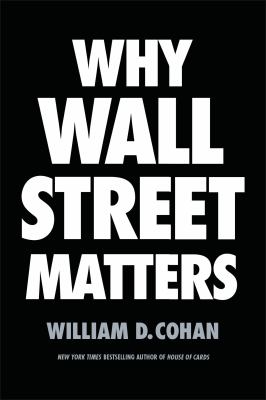
Why Wall Street Matters by William D Cohan is an interesting and quick exploration of the role of Wall Street in modern society. The author draws on his extensive experience in finance and journalism to provide a balanced analysis of the industry. The book is divided into three sections, each of which explores a different aspect of Wall Street: the history of the industry, the current state of finance, and the future of banking. Cohan’s writing is clear and engaging, making complex financial concepts accessible to a non-finance minded audience.
The first section of the book provides a detailed history of Wall Street, from its origins in the 18th century to the financial crisis of 2008. Cohan explains the various financial instruments that have emerged over the years, from bonds and stocks to derivatives and complex structured products. He also provides a nuanced analysis of the various scandals and crises that have rocked the industry, from the 1929 stock market crash to the subprime mortgage crisis. Cohan’s historical perspective is valuable for understanding the context in which modern finance operates.
In the second section of the book, Cohan examines the current state of Wall Street. He discusses the impact of new technologies on finance, the role of regulation in shaping the industry, and the changing demographics of the workforce. Cohan argues that Wall Street is still essential to the functioning of the global economy, but that it needs to be reformed in order to avoid another crisis. He also acknowledges the negative perceptions that many people have of the industry and suggests ways in which Wall Street can improve its reputation.
The final section of the book is a look to the future of where Wall Street is going. Cohan predicts that the industry will continue to evolve in response to technological innovation and changing social norms. He argues that Wall Street needs to embrace diversity and inclusion in order to attract the best talent and remain competitive. Cohan’s vision for the future is optimistic but realistic, and his insights are valuable for anyone interested in the future of finance.
In conclusion, Why Wall Street Matters is a well-researched and balanced book that offers a balanced and nuanced analysis of the role of Wall Street in modern society. Cohan’s writing is clear and engaging, and his insights are valuable for anyone interested in finance, economics, or business. Whether you’re a seasoned finance professional or just starting to learn about the industry, this a book you should add to your to-read list.
Memorable quotes from the book:
- “Not only has Wall Street long been the envy of governments around the world for its ability to help companies raise capital, get advice about mergers and acquisitions, and manage wealth; it is also an employment and wealth-creation machine that has led to billions of people and companies paying trillions of dollars in taxes every year.”
- “The Dodd-Frank law also requires big banks to undergo annual “stress tests” designed to gauge how they would fare in the face of another financial crisis. These tests are another colossal waste of time and money and, like the living wills, give regulators a false sense of security about what might happen during the next financial crisis.”

#Wallstreet
Enjoyed this review?
Pick up Why Wall Street Matters — a clear-eyed defense of Wall Street’s essential role in America’s economic engine.
Get the Paperback on Amazon →As an Amazon Associate I earn from qualifying purchases.