
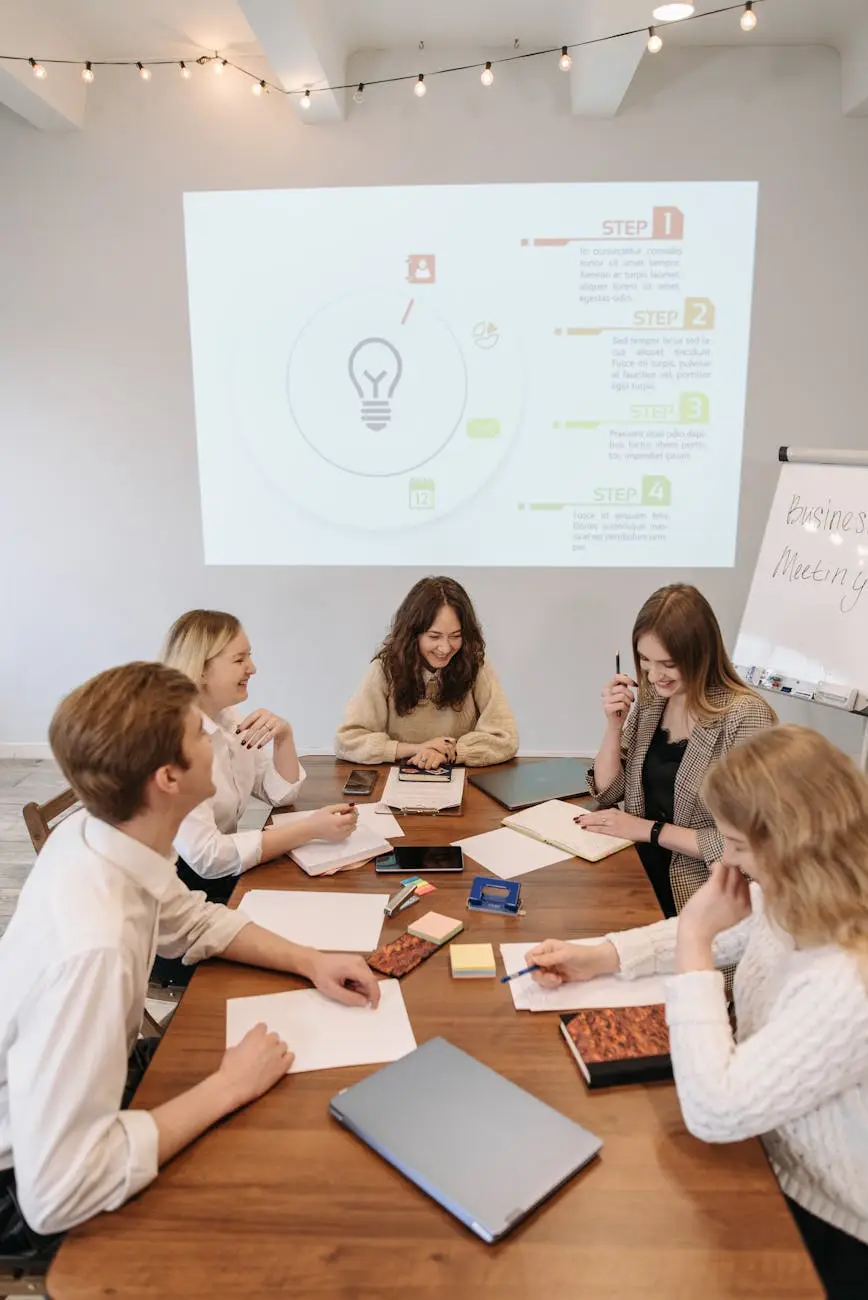
The Level 10 Meeting is the cornerstone of the Entrepreneurial Operating System (EOS).
—
Raise your hand if you’ve tuned out during a team meeting.✋
Raise your hand if your weekly team huddle is missing the boat on important topics and key takeaways. ✋
Raise your hand if your meetings never address pressing to-do-list items. ✋
I hear you. Throughout my career, I’ve sat in far too many meetings that felt like huge time wasters instead of productive, needle-moving conversations. We all need more needle-moving meetings.
That’s why Gino Wickman created the Level 10 Meeting. He sought to avoid time-wasting train wrecks by creating meaningful meetings with a consistent, repeatable template that fosters success.
The Level 10 Meeting is the cornerstone of the Entrepreneurial Operating System (EOS). Think of them as the weekly strategy huddle of a championship-caliber sports team. Each team member brings unique strengths and skills, but it’s the disciplined, regular practice of these meetings that aligns everyone toward a common goal and ensures peak performance.
Think of the business leader as the coach on the soccer pitch or the manager in the dugout. The leader guides the team, keeping them focused on executing the game plan, making adjustments, and ensuring every player is in sync. Just like a sports team can’t perform at its best without clear direction, accurate coaching, and collaboration, a business can’t achieve its full potential without structured alignment in meetings. That’s what a Level 10 Meeting offers.
Let’s dive into the 7 key steps to running a successful Level 10 Meeting:
1. Pre-Game Warm-Up (Segue)
Just as a team begins with warm-up exercises to get mentally and physically ready for the game, a Level 10 Meeting starts with the Segue. Here, participants share wins and positive updates, fostering camaraderie and setting the tone for a collaborative session.
2. Game Stats Review (Scorecard Review)
Every great team knows the importance of stats. Reviewing metrics is like analyzing a box score — players need to know how they performed and where improvements are necessary. In the Scorecard Review, the team goes over critical business metrics to ensure everyone is aware of what’s working and what needs immediate attention.
3. Key Player Updates (Rock Review)
Before diving into strategy, the coach checks in with key players on their progress. In business, this is the Rock Review, where team leaders check on progress toward major goals or priorities (rocks). These updates highlight any big wins or challenges that could impact performance, ensuring no critical issues are overlooked.
4. Headline Review (Customer & Employee Update)
The Headline portion of the meeting is your opportunity to surface significant company news or developments that might affect the entire team. Whether it’s a change in the market, a new product launch, or a key competitor move, keeping everyone in the loop on headlines ensures that the team is prepared to respond appropriately.
5. Last Game’s Recap (To-Do List)
A team’s past performance sets the stage for future success. In a business context, this means revisiting the To-Do List from the previous meeting. Much like reviewing the highlights from last week’s game, this step ensures everyone completed their tasks and is prepared to move forward. It drives accountability by ensuring commitments made are followed through.
6. The Game Plan (IDS = Identify, Discuss, Solve)
The bulk of any training session focuses on refining plays and tackling issues. This is where the coach brings attention to the areas that need work. Similarly, the IDS portion of a Level 10 Meeting is where the team identifies the most pressing issues, discusses them, and works together to find effective solutions. Whether it’s a miscommunication between departments or a strategy that needs refining, this is the time to fix what’s not working.
7. Post-Game Accountability (Conclusion)
No matter how great a strategy is, execution is key. A successful Level 10 Meeting drives accountability, ensuring every team member understands their role in the business’s ongoing success. Much like players hold each other responsible for their individual contributions on the field, this meeting ensures that everyone remains focused on the business’s objectives and committed to driving growth and improving their performance week after week.
By viewing the Level 10 Meeting as a weekly huddle for your business team, it becomes clear how these structured, collaborative sessions drive accountability and ensure everyone is aligned toward the same goal. Just like a great sports team, success requires preparation, practice, and teamwork. And, just like in sports, it’s the constant, disciplined repetition of these fundamentals that will help your business operate at a championship level.